
Global Licensing Is Not Optional Anymore
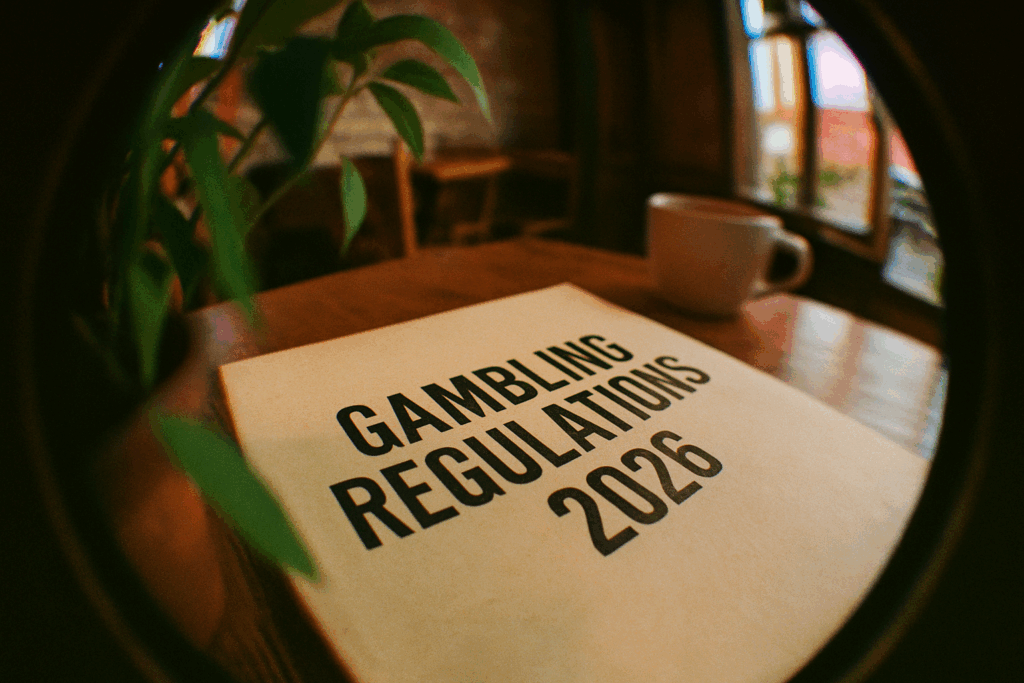
The gambling industry in 2026 is moving steadily toward a world where compliance isn’t just local it’s global. Regulators are putting more pressure on operators to meet unified international standards, particularly when it comes to licensing. Countries that used to play by their own rules are now aligning with frameworks that push for greater transparency, data protection, and responsible gaming protocol across borders.
This unified push has triggered a rise in cross border licensing audits. Operators can’t afford to skate by with vague paperwork or lax internal controls. Regulators are demanding tighter due diligence: verified addresses, ownership structures, anti money laundering processes you name it. And audits aren’t slow anymore. They’re fast, digital, and unforgiving.
That said, the rules aren’t identical everywhere. Each region still brings its own twists from data storage laws in the EU to real time player monitoring in parts of Asia. Operators are adapting by building sharper compliance teams, localizing their legal know how, and investing in smarter tech stacks to tailor tracking and reporting per market.
Red tape is tightening, but the ones who play smart aren’t treating it as a roadblock they’re building it into the business model.
Stricter Player Protection Laws
As 2026 approaches, player protection is no longer a soft recommendation it’s a regulatory must. Authorities across jurisdictions are mandating stronger safeguards to prevent problem gambling and protect vulnerable users. Operators who fail to adapt face both financial penalties and reputational damage.
Built In Safeguards Now Mandatory
Modern gambling platforms must integrate tools that actively support responsible gaming practices. These are no longer optional features they’re legal requirements.
Self Exclusion Tools: Platforms must allow players to exclude themselves temporarily or permanently from all gambling products.
Real Time Spending Limits: Users must be empowered to set daily, weekly, or monthly loss limits, enforceable across platforms.
Session Time Controls: Systems are required to alert users of prolonged activity, encouraging breaks or logouts.
AI Powered Monitoring Takes Center Stage
Artificial intelligence is becoming a critical line of defense. Regulators now expect operators to use AI not just as a convenience, but as a core compliance component.
Behavioral Pattern Detection: AI analyzes play patterns to flag potential indicators of problem gambling, such as chasing losses or erratic bet sizes.
Adaptive Intervention: Systems must be capable of adjusting communication or restricting access when users show signs of harmful behavior.
Data Driven Player Profiling: Automated profiling helps platforms identify at risk players before problems escalate.
From Passive to Proactive Compliance
Gone are the days of reactively managing risk. Regulators are actively pushing platforms to shift from passive oversight to real time, proactive protection strategies.
Enforced Reporting Protocols: Operators must document intervention efforts and provide proof of support measures.
Ongoing Audits: Regulators are conducting more frequent reviews to ensure player protection tools are functioning correctly.
Training and Accountability: Staff must be trained to recognize red flags, and platforms must demonstrate that their teams understand compliance procedures.
Stricter player protection laws are reshaping the operational DNA of gambling platforms. Success in 2026 depends on building systems that prevent harm before it happens because regulation is about to make empathy mandatory.
Advertising Rules Get Tighter
In 2026, gambling advertising isn’t the free for all it once was. Regulators around the world are cracking down, and operators are feeling the squeeze. First, ads aimed at vulnerable groups particularly minors and problem gamblers are being wiped off the map. Targeted marketing using age inferred data or social cues? Now classified as high risk behavior.
Time based restrictions are also coming into play. Late night ad slots, once a gold mine for conversions, are now being banned or limited in many jurisdictions. Gambling promos during peak family TV hours? Off limits.
Then there’s the matter of bonus offers. Regulators are dragging them into the light, especially the fine print that locks players into confusing loops of wagering requirements. What was once framed as a friendly perk is now viewed as a behavioral lure and compliance watchdogs are acting accordingly.
It’s clear: transparency and responsibility aren’t optional anymore. Ad strategies now demand real scrutiny, not just flashy graphics and a paid influencer.
Tech Driven Transparency

Gambling operators can’t hide behind black boxes anymore. In 2026, the industry hits a turning point: blockchain is no longer a futuristic concept it’s a regulatory requirement. Platforms are being forced to publicly log wagers and payouts on chain, giving regulators and players a direct line of sight into game fairness and operator behavior. The goal? Eliminate smoke and mirrors.
Along the same lines, odds disclosure isn’t a marketing checkbox now it’s a legal mandate. Regulators are cracking down on vague or misleading numbers. Operators must be clear, accurate, and up front with their odds, especially when incentives and bonus mechanics are in play. Misleading players is no longer just bad form it’s a compliance risk.
Smart contracts are also finding their way into the rulebook. Regulators in tech forward jurisdictions are starting to accept automated, self executing systems to enforce payout rules, bonus limits, and dispute resolution. It’s not mainstream worldwide yet, but it’s spreading especially in regions that see blockchain as a way to scale trust.
For context on how this push for transparency began, check out the industry trends 2023 roundup.
Regulating Crypto and Digital Currencies
The wild west era of crypto betting is closing fast. Governments are moving in to draw hard boundaries around an area that’s been murky for too long. Regulators want clear frameworks that define what’s allowed and what’s not when it comes to placing bets with digital currencies. This isn’t just about taxes or consumer safety. It’s about building trust in a space where anonymity and volatility have reigned.
KYC (Know Your Customer) and anti money laundering (AML) policies are getting sharper, especially where digital wallets are involved. Operators need to verify users faster, vet transactions better, and report shady activity in real time. There’s no room for excuses. If you’re running a crypto sportsbook or casino, compliance isn’t optional it’s survival.
Malta’s ahead, writing crypto gaming into its licensing structure. The UK’s tightening inspections across all digital financial rails. And in the U.S., states like Wyoming and New Jersey are moving quicker than the feds, passing crypto gambling laws tailored to their markets. The message is clear: Play clean, or don’t play at all.
Compliance Isn’t Just a Checkbox
Regulatory pressure in the gambling industry has gone from background noise to full blown alarm. In response, RegTech the intersection of regulation and automation is having a serious moment. Tools that once only flagged suspicious transactions are now helping operators do everything from real time KYC checks to automated audit trails. It’s no longer about ticking boxes; it’s about building systems that can keep up with laws that change faster than a live bet in overtime.
Forward thinking gambling platforms are no longer trying to go it alone. Strategic partnerships between operators and tech firms are surging, with a focus on embedding compliance into the platform’s architecture. These alliances are built around one mission: stay one step ahead of regulators while keeping user experience intact. If your backend isn’t built to scale with regulation, you’re already behind.
The stakes for inaction? Steeper than before. Missed reports, delayed filings, or incomplete documentation are drawing harsher penalties across markets from major fines to revoked licenses. In 2026, compliance is no longer optional it’s make or break. Operators need tools that update with the law, teams that move fast, and a mindset that sees compliance not as a cost, but as core infrastructure.
Where the Industry’s Headed
The Stakes Are Higher Than Ever
2026 marks a pivotal year for the gambling industry. With sweeping regulatory shifts across jurisdictions, operators are being pushed to evolve or risk being shut out. Compliance is no longer a back office concern it’s a boardroom priority.
Regulatory pressure is driving strategic transformation
Non compliance carries steep reputational and financial penalties
Global harmonization is accelerating change at every level
Investment in Adaptation
Forward thinking operators are not waiting for penalties to act they’re scaling up their internal capabilities to stay ahead. The most successful players are integrating legal, technological, and compliance strategies across their business models.
Expanding legal teams to navigate regional regulations
Leveraging RegTech to automate compliance tasks in real time
Building agile strategy units to pivot with emerging laws
The New Rules of Winning
The future favors those who embrace the new regulatory landscape. Innovation in responsible gaming, transparency, and data security is not just compliance it’s customer trust.
The “house” can still thrive under new rules
Sustainable success requires integrity and adaptability
Regulatory alignment becomes a competitive edge
Want more context on how we got here? Revisit the industry trends 2023 guide for a look at the foundations of today’s changes.

 Cairis Ollvain, co-founder of GambleFitnessSplash brings a visionary approach to the platform by combining fitness, responsible gambling, and technology into one space. Cairis focuses on creating forward-thinking content that empowers readers to achieve balance, health, and smarter choices.